Wearables: bands, watches and rings
Asian brands supply much of the world's wearable technology. Xiaomi's Smart Band line made fitness tracking affordable, Huawei's watches are known for long battery life, Samsung's Galaxy Watch integrates tightly with Galaxy phones, and Amazfit, from Zepp Health, offers multi-week battery life at moderate prices. Smart rings have joined the category too, with Samsung's Galaxy Ring among the higher-profile launches.
The everyday test is battery life against the features you actually use. A watch that lasts two weeks but lacks reliable notifications for your phone may frustrate you more than one charged every two days. Before buying, check whether full features require a phone from the same brand. Some health features, including ECG and blood-pressure tools, are enabled only in countries where regulators have approved them, so a device imported from Seoul or Shenzhen may not offer them in your region.
Item trackers and ecosystems
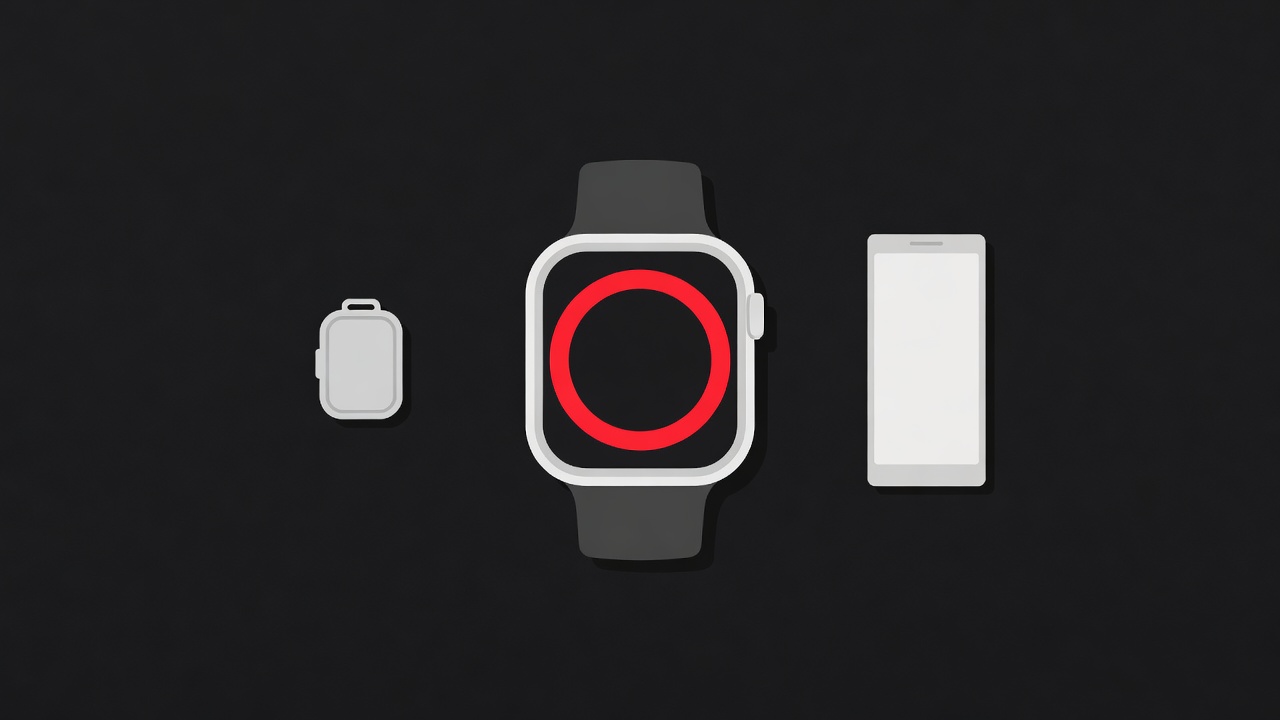
Item trackers show clearly how ecosystems shape usefulness. Samsung's SmartTag devices locate items through the SmartThings Find network, which relies on nearby Galaxy devices and works with Galaxy phones. A tracker that is excellent in Seoul, where Galaxy phones are common, may find fewer helpers in a city where other platforms dominate. Many Chinese-made trackers now support Apple's or Google's finding networks instead; check which one before you buy.
Ask three questions: which phone platform does it need, which network helps find it, and how is the battery replaced? A coin cell such as a CR2032 is easy to find almost anywhere; a sealed rechargeable cell means the tracker has a finite life.
Network reach
A tracker relies on other people's phones; popular platforms help more.
Battery type
Replaceable coin cells extend useful life well beyond sealed designs.
Translation devices and language
Dedicated translators such as Pocketalk, developed by Japan's Sourcenext, became popular with travellers before phone translation apps matured. They still have a place: a single-purpose device with a long battery and a built-in data plan can be easier to hand to someone than your unlocked phone. For most buyers, however, a modern phone with offline language packs covers the same ground.
Language works the other way too. Many accessories bought in their home market default to the local language, and some never offer English menus. For anything with a screen or voice prompts, check the supported language list in the official manual, not a marketplace listing that may have been machine-translated.
An accessory that only speaks one language you cannot read is a puzzle, not a convenience.Field note
Peripherals and desk gear
Keyboards, mice and headsets travel more easily than wearables because they rely on standard USB and Bluetooth profiles. Razer, which operates headquarters in Singapore and Irvine, California, is a well-known name in gaming peripherals, and Creative Technology, founded in Singapore, remains a familiar audio brand. Japanese companies such as Elecom and Buffalo make practical, compact desk accessories often seen in Tokyo electronics shops.
Keyboard layouts are the main trap. Japanese JIS and Korean layouts differ from the US ANSI layout, with different key shapes and extra keys. If you touch-type in English, a keyboard bought in Akihabara may slow you down unless it is explicitly labelled as a US layout.
A quick accessory checklist
Before you commit, confirm the companion app is in your local app store, that firmware updates are offered for the global version, that the radio frequencies are permitted where you live, and that support or returns are possible from your country. If two or more of those answers are uncertain, buy locally even if it costs more.
- 03
Next: Compact Home Ideas
Appliances where voltage really matters.
- 01
Back: Power in Your Pocket
Chargers, power banks and earbuds.