Japan: refinement and longevity
Japan's consumer technology culture rewards refinement over spectacle. Akihabara in Tokyo and Den Den Town in Osaka remain the best places to see it, and the CEATEC exhibition near Tokyo shows where manufacturers are heading. Sony continues to set expectations in personal audio and imaging, Nintendo shows how a single hybrid console can reshape habits, and smaller companies focus on compact chargers and well-made cables.
One Japan-specific signal is contactless payment through FeliCa, the technology behind Suica and other transit cards. Phones sold in Japan generally support it, and support has broadened to many global models, but not universally. Check FeliCa support before relying on a phone for Tokyo transit.
South Korea: displays and foldables
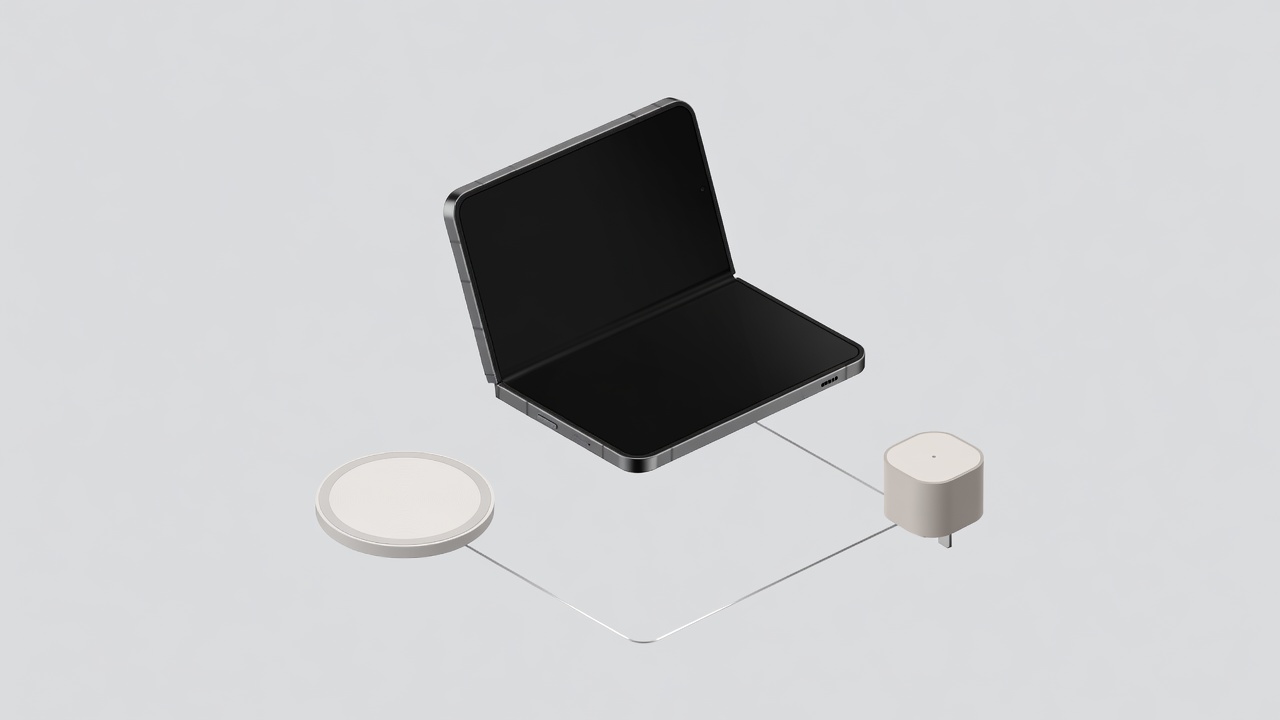
South Korea leads in display technology. Samsung's Galaxy Z Fold and Z Flip phones made foldables a mainstream category, and Samsung Display and LG Display supply panels to many other brands. Seoul's Yongsan Electronics Market, though quieter than in its peak years, still offers a sense of how quickly Korean buyers adopt new form factors.
Foldables now travel well: Samsung sells them in most major markets with full warranty support. The practical questions are durability, crease visibility and repair cost, which have improved but remain higher than for conventional phones.
China: speed, scale and ecosystems
Huaqiangbei in Shenzhen is the world's best-known electronics market, and the city's supply chain lets new ideas become products in months. Xiaomi has built a broad ecosystem spanning phones, wearables, appliances and even cars. Huawei's HarmonyOS powers many of its devices in mainland China, while Honor, OPPO and vivo compete hard on cameras and foldables.
China's signals travel unevenly. Accessories from Anker or UGREEN are sold globally with English support. Phones and smart-home devices are more complicated: mainland versions may lack Google services or global app support. The trend is real; its availability depends on the specific model and channel.
Shenzhen shows you what is possible this year. Your local retailer shows you what is supported.Field note
Singapore and Taiwan: hubs and foundations
Singapore is a compact, English-speaking test market and a regional headquarters city. Sim Lim Square and Funan are its best-known electronics destinations, and brands such as Razer and Creative Technology have deep roots there. Products launched in Singapore often arrive with English interfaces and Southeast Asian regional warranties, which can make them easier to use elsewhere.
Taiwan, meanwhile, provides much of the hardware foundation of modern gadgets through chip makers such as TSMC and MediaTek, and PC brands including ASUS and Acer. Computex in Taipei is a major annual window into laptops, components and peripherals. Guanghua Digital Plaza in Taipei offers a retail view of the same ecosystem.
Cross-market trends to watch
Several trends run across all these markets. We rate each by how useful it is today, not by how impressive it sounds.
- NOW
GaN and USB PD charging
Mature and widely useful; one charger can replace several.
- GROWING
Qi2 magnetic wireless
Growing support across phones and accessories; convenient, slower than cables.
- GROWING
Matter smart home
Reduces regional app lock-in, though device support is still uneven.
- EARLY
Bluetooth LE Audio and Auracast
Promising for shared listening; needs both phone and earbud support.
- MIXED
On-device AI features
Translation and photo tools are useful; language coverage varies by market.